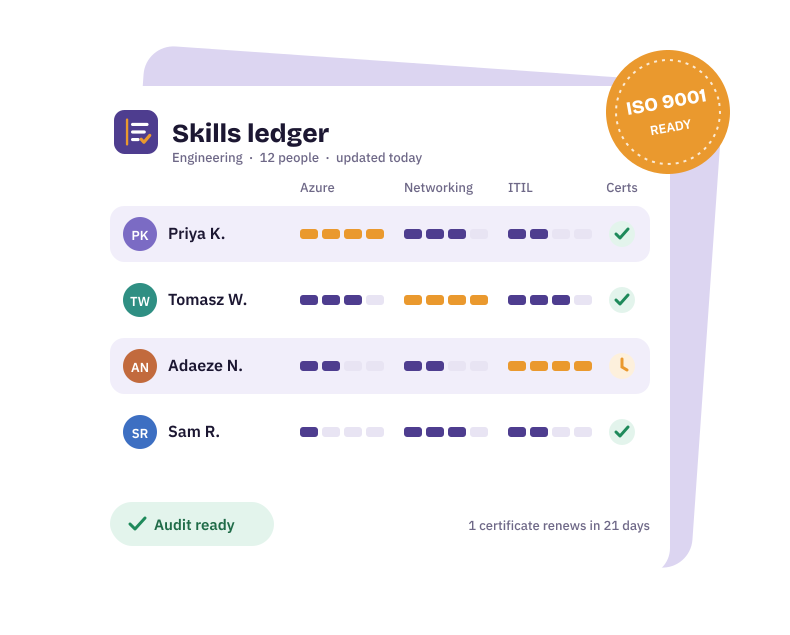
When a spreadsheet is enough
For one small team with a stable set of skills and few certificates, a spreadsheet is fine. It's free, everyone knows how to use it, and a good template gets you most of the way.
Signs you've outgrown it
- One person owns the file, and it's out of date whenever they're busy or on leave.
- Several versions exist, and nobody is sure which one is current.
- Certificates lapse unnoticed because expiry dates sit in a column nobody sorts.
- Reports take an afternoon of filtering and reformatting before every audit or review.
- Managers don't trust it, so decisions get made from memory instead.
- Personal data requests are hard, because one person's details are spread across files.
Side by side
| Spreadsheet | Skills matrix software | |
|---|---|---|
| Keeping it current | One owner updates it by hand | Everyone updates their own profile; managers sign off |
| Expiring certificates | Only seen when someone checks | Flagged weeks ahead, with reminders |
| Reports | Built manually each time | Generated from live data in one click |
| Access control | Whoever has the file sees everything | Roles decide who sees and changes what |
| Audit trail | Limited | Changes logged with who and when |
| Cost | Free | From £10 per seat, per year with SkillsLedger |
What to look for in software
- Self-service ratings with manager review, so the data stays current without one owner.
- Certificate expiry tracking with advance warnings.
- Flexible skill groups and rating scales that fit each team.
- Single sign-on with your existing identity provider, such as Microsoft Entra ID.
- Data isolation and GDPR tools: where your data lives, and how you export or erase one person's records.
- Simple, transparent pricing with a free trial you can run on real data.
SkillsLedger does all of the above for £10 per seat, per year, with a free 30-day trial.